

Designer-First
Since 1985
Iconic PCB design tools.
No enterprise clutter, throwback pricing.
 Altium Designer
  Altium 365
 Designer-First – The Altium Heritage
Altium was the first to put engineers at the center of electronic design.
Altium Develop revives that Designer-First mindset — the foundation that made us the industry standard.

The Tools That Changed an Industry
Power AND price, without compromise
Altium Develop delivers the same professional-grade design capabilities that made Altium the industry standard. This isn’t a “lite” version — it’s the full Altium Designer experience, tuned for individuals and small teams who want tools that put engineers first, without the enterprise detours.

The User Is The Customer
Pay for what you value
Enterprise features come with enterprise prices — whether you need them or not. Devoid of these things you’ll never use, Altium Develop resets our easy to use, easy to understand, and easy to afford model:
- $995/year per design author (up to 5) plus
- $995/year platform access with unlimited collaborators.
It’s the same Altium power, refactored for those who design, not for those who manage.

Collaboration Without Compromise
Altium 365, tailored to how you work.
Altium 365 proved collaboration could transform design, but enterprises often dictated how it was used. With Altium Develop, collaboration conforms to you: no need for every participant to use Altium Designer. Invite anyone, share securely, and keep projects aligned — without rigid workflows or overhead. It’s collaboration that enhances creativity, not one that limits it.
Co-Create
with Shared Data, Shared Context and Shared Purpose
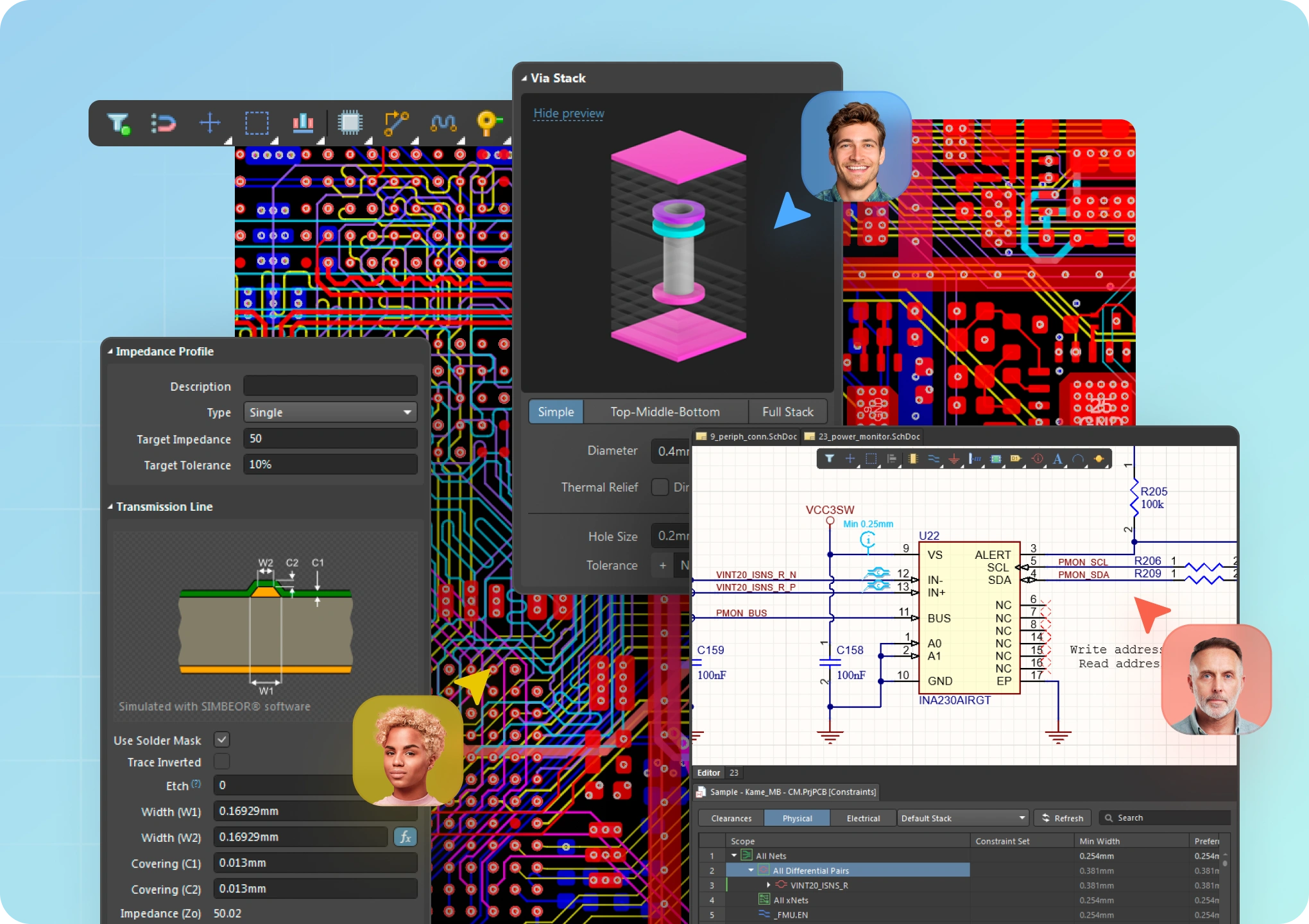
Design
Electronics projects have revolved around PCB designs. Electrical, mechanical, simulation or software engineers focused on completing their specific tasks. Non-engineers purchase parts, track requirements, or manage the project. Almost nobody has full visibility into design artifacts, and projects lacking that inevitably become manual, disconnected, and fraught with friction.
With Altium Develop:
- Design with Altium Designer, the industry-leading PCB software
- Multidisciplinary product development becomes company culture
- Invite unlimited collaborators to see designs & give feedback
Project
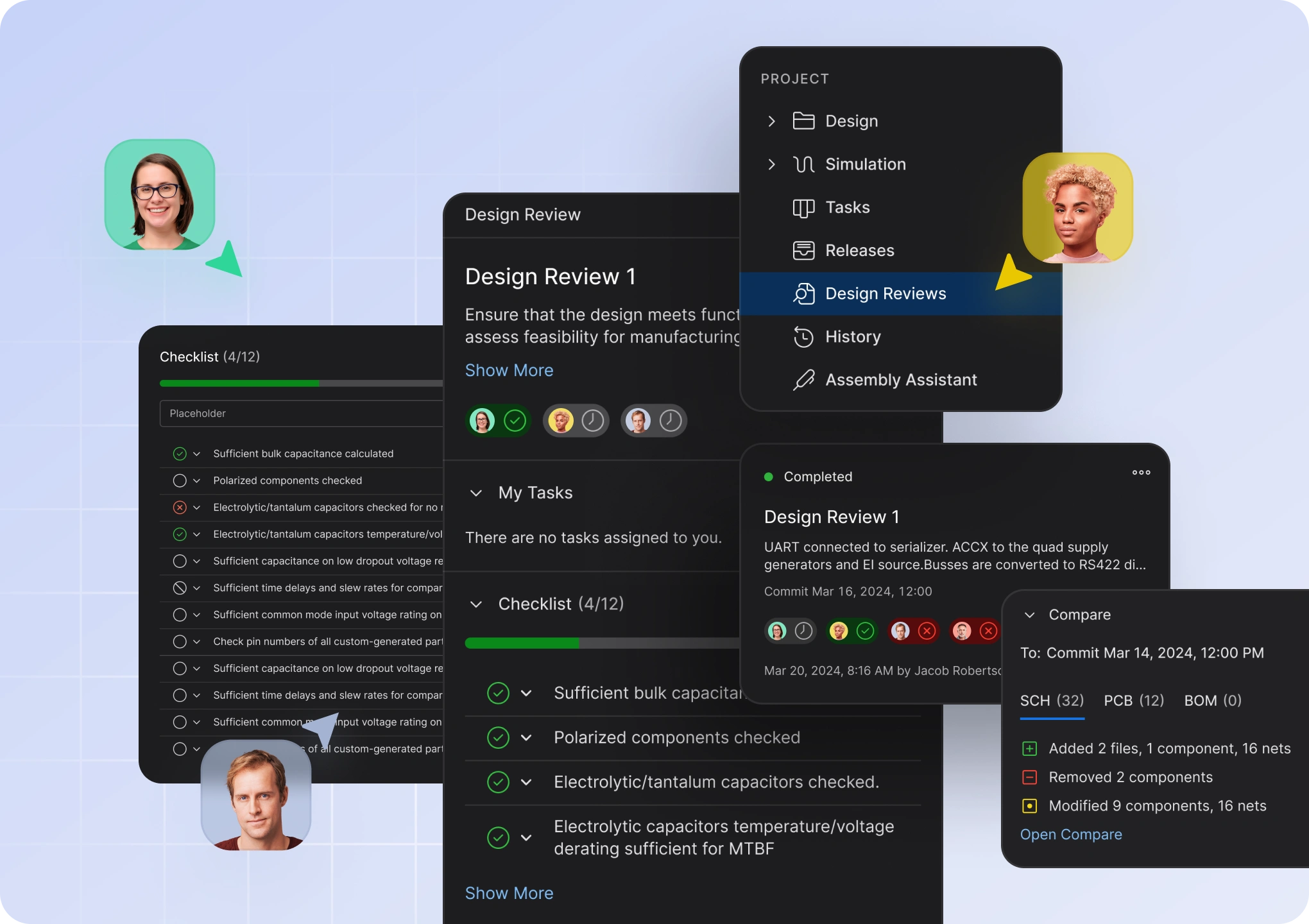
Everyone working on an electronics product deserves visibility. But with data scattered across tools and systems, team members lack the context they need. Electrical engineers miss requirements, purchasers can’t match designs to BOMs, and mechanical engineers guess at board placement. Limited project visibility makes it hard for experts to do their best work.
With Altium Develop:
- Functional experts become co-creators with shared purpose
- Real-time project updates replace manual check-ins and file transfers
- Built-in comments, tasks, and free collaboration dissolves barriers
Requirements
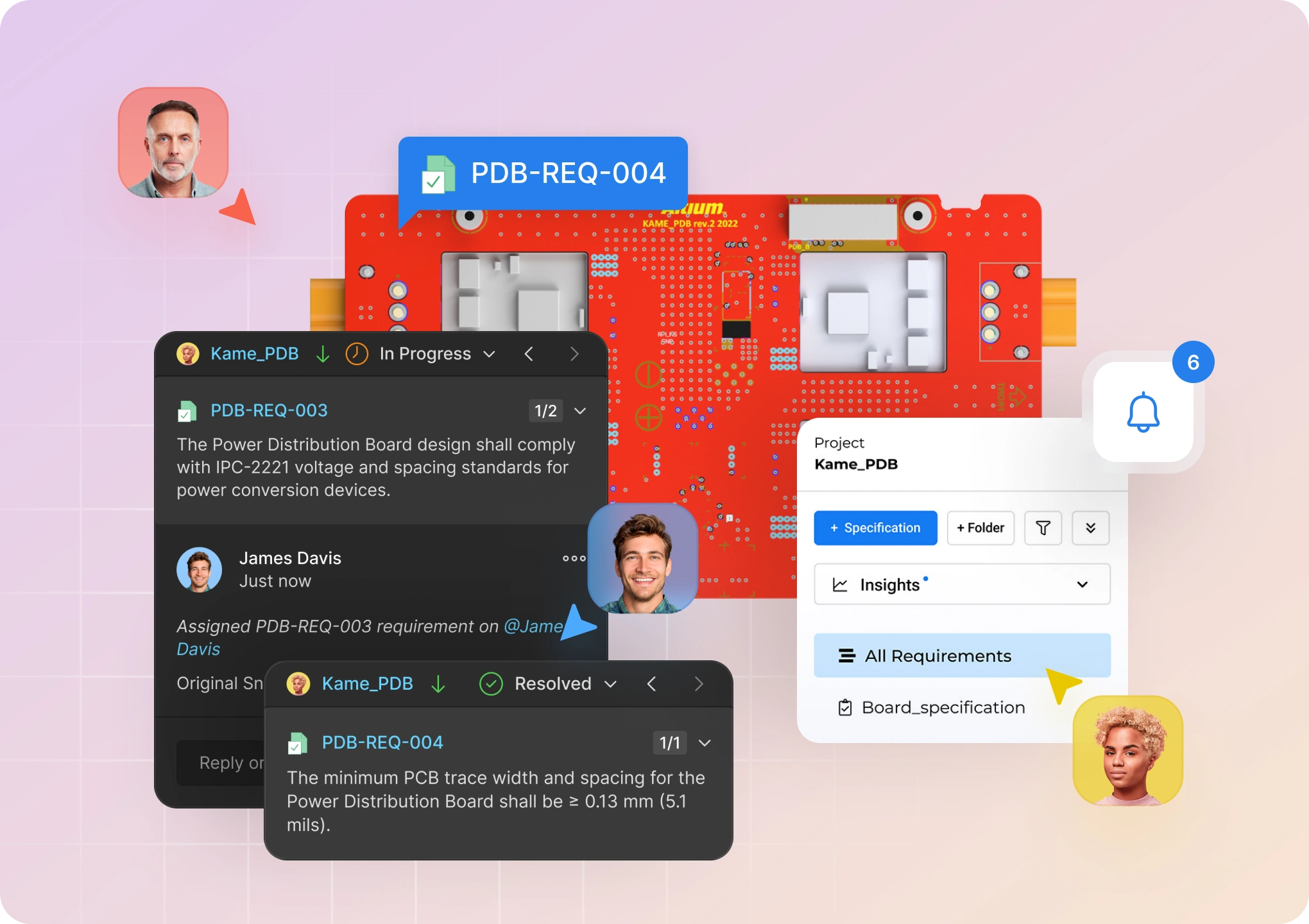
To develop electronics while working together as one, everyone needs to understand requirements for the system–both electronic and otherwise. Unfortunately, not everyone has time to sift through a long list to find the functional, performance, compliance, environmental or integration requirements that they need to guide their individual contributions.
With Altium Develop:
- Requirements display contextually in universally visible design files
- Team members focus on the requirements relevant to them
- Managers see progress or can drill down to validate requirements
Supply Chain
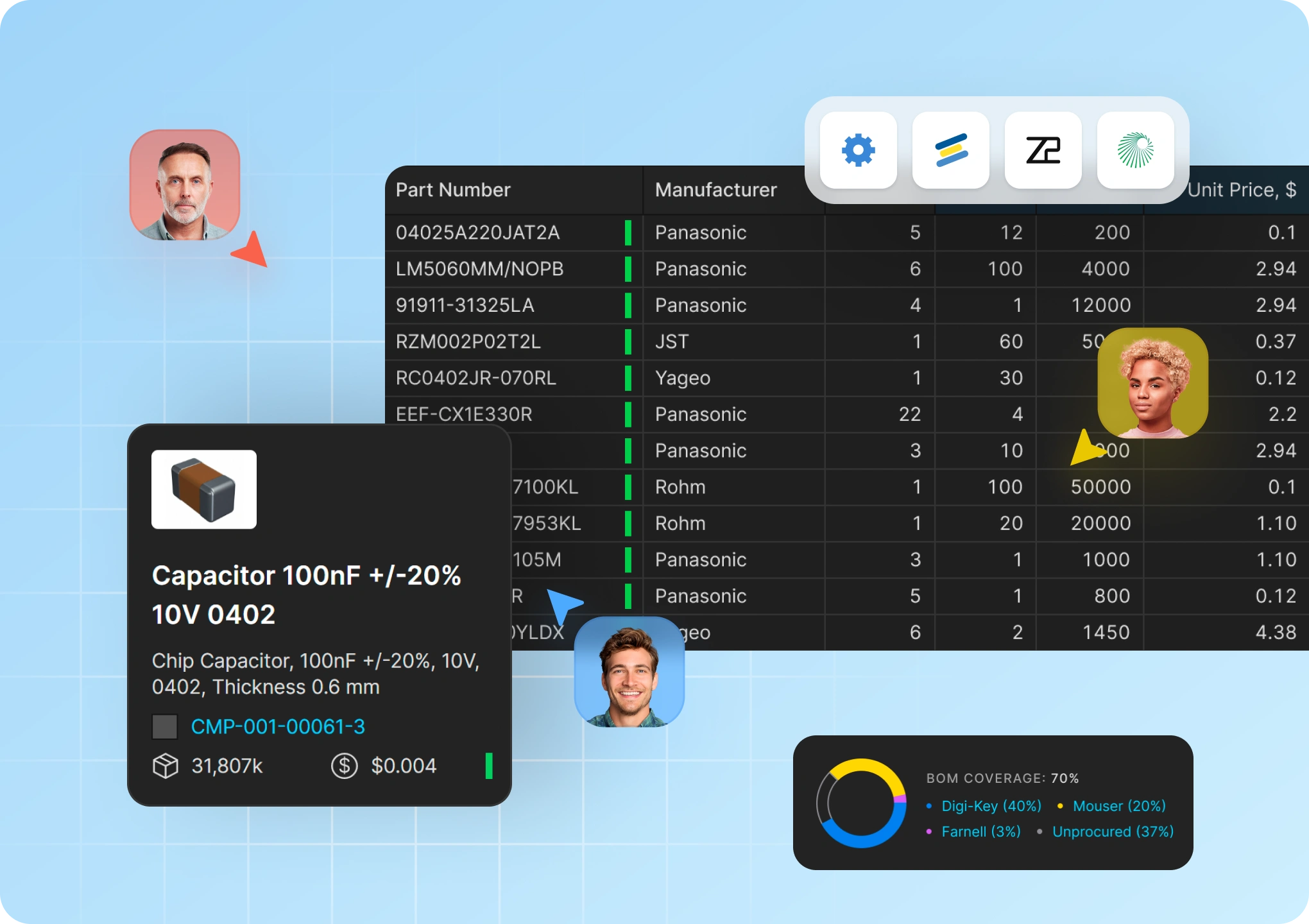
Managing BOMs and sourcing parts requires unconstrained coordination between engineering, procurement, and the whole team. In a world of rising tariffs, it's even more important that many eyes watch changes in designs, component price increases, or declining inventory levels. That shared vigilance can save promising products from becoming costly mistakes.
With Altium Develop:
- Clearly reveal supply chain dependencies in PCB designs & schematics
- See component pricing, availability, and lifecycle status in context
- Swiftly evaluate alternative parts and assess trade-offs as a team
Manufacturing
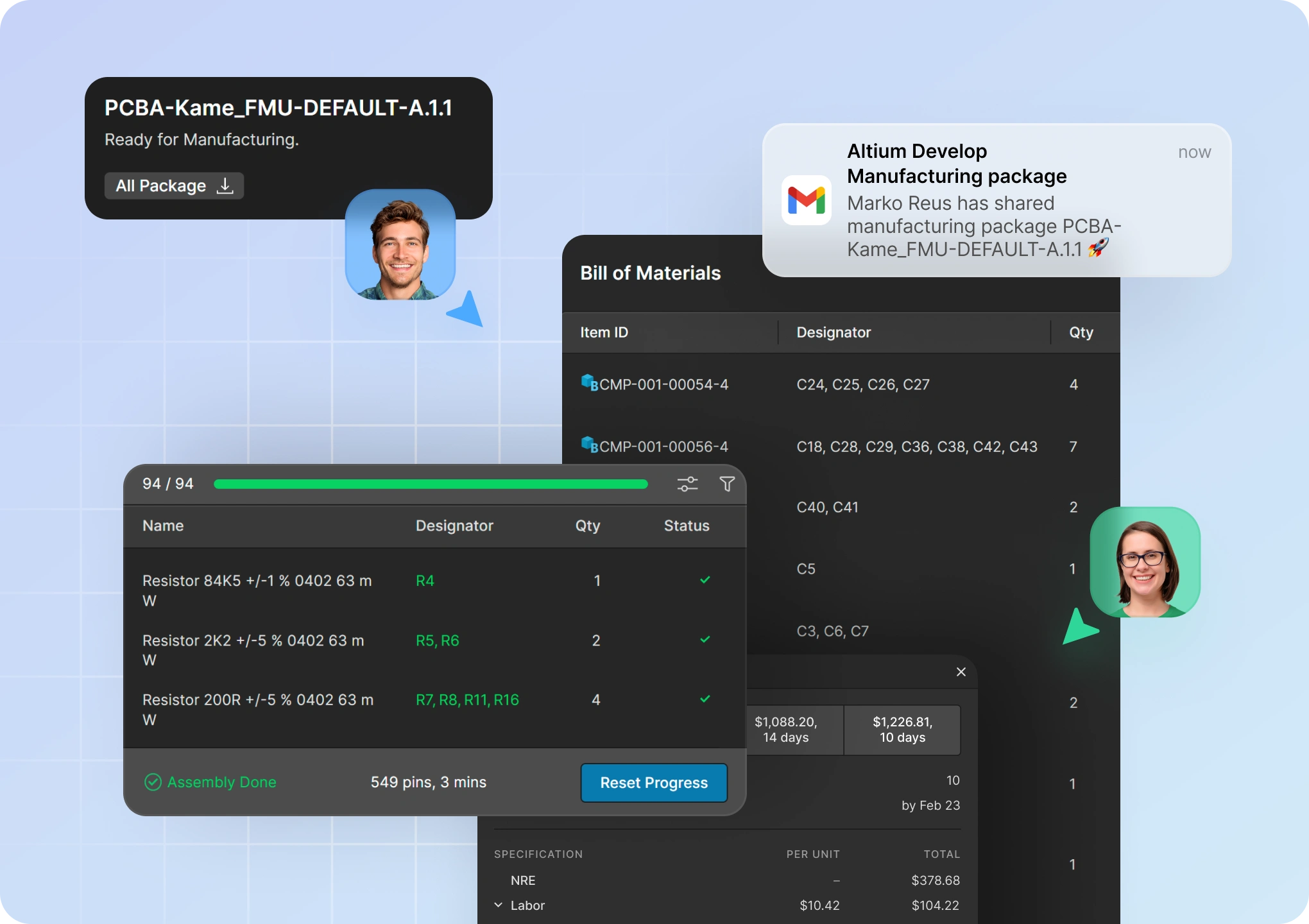
Operational silos within any multidisciplinary team can hinder manufacturing readiness. Manufacturing engineers or contract manufacturers are the experts on avoiding manufacturing challenges. They’ve seen them many times before. And yet, they don’t have upstream visibility to flag issues early. By the time they see designs, issues may be too late or too costly to fix.
With Altium Develop:
- Build prototypes from design files, in direct connection with engineers
- Manufacturing engineers provide early feedback to designers
- Designers invite in-house and contract manufacturers to comment
Data
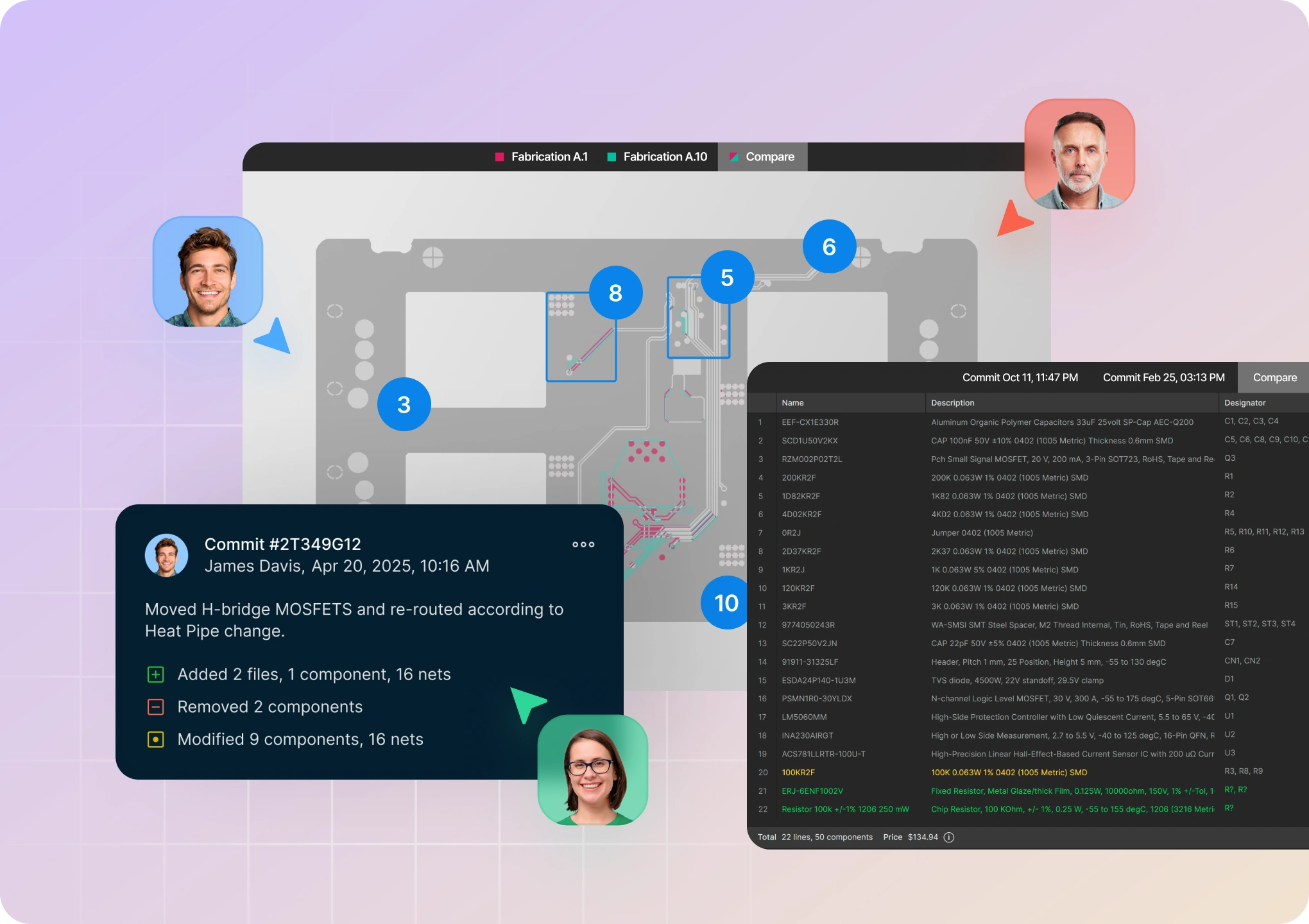
Data is knowledge and knowledge is power. Too many product development teams think only about making products, and they leave producing great data as an afterthought. Imagine electronics development data freely shared with collaborators who enrich it as they participate. Collaboration changes into co-creation when everyone can share anything with their colleagues.
With Altium Develop:
- Unlimited data sharing to erase blind spots and improve decisions
- Treat producing quality data as a core objective, not as an afterthought
- Network effects transform collaboration into boundless co-creation

Get Started
with Altium Develop
Experience Unlimited Power
Risk Free for 30 Days

