
Collaboration Lessons from a Hardware Design CEO
Oct 27, 2026 9:00am PDT

A Part You Cannot Source
Is a Product You Cannot Ship
Up-to-date availability, pricing, lifecycle, and risk, built into every stage of design
Trusted by more than 80,000 Innovators Worldwide






Supply Chain Management for Companies
of Any Industry and Any Size
Explore the solutions below based on your needs
Choose Parts You Can Actually Source
Manufacturer Part Search brings lifecycle status, supplier availability, and pricing into Altium Designer. Compare parts and suppliers before placing a component, so sourcing becomes part of the design decision.
See BOM Risk While the Design Can Still Change
ActiveBOM turns the BOM into an active design document in Altium Designer. Map components to manufacturer parts, and review pricing, availability, and sourcing risk before the board ships.
Bring the BOM Into the Browser When It Helps
BOM Portal brings the BOM into the browser, with checks for invalid, deprecated, low-stock, and noncompliant parts. Share it for review, or consolidate BOMs across multiple boards or projects.
See Supplier and Manufacturer Data in One View
Octopart brings supplier stock, pricing, and availability, while Accuris adds manufacturer, lifecycle, and regulatory data. Both are available in the Manufacturer Part Search panel, ActiveBOM, and BOM Portal, right where part decisions get made.
Add Deeper Part Risk Intelligence When Needed
Optional integrations with SiliconExpert and Z2Data add obsolescence forecasts, lifecycle and compliance data, alternative-part recommendations, and risk indicators giving deeper analysis for projects that need it.

Design, Share, and Stay in Sync.
Altium Develop helps individual engineers and small groups get started fast, design without friction, and share work when it matters. No heavy setup required.


Free access to Altium Develop
No credit card required
What Teams Say About Staying
Ahead of the Supply Chain

"We are in the middle of designing several revolutionary products. Knowing what components are readily available in the market, and also knowing what's at risk in the market, is a very big deal."


"The biggest challenges with procurement is supply chain and availability. Inventory, especially as of late, is just fluctuating pretty heavily. Getting a heads-up before we send these files off to the fab and assembly shop, we can actually get insight into what is available right now."


"We now have the feature to check which component is in which product, and we can even see with ActiveBOM which components are end-of-life or obsolete... it's possible for the purchasers that they check now inside Altium 365 which components are used where."

Resources
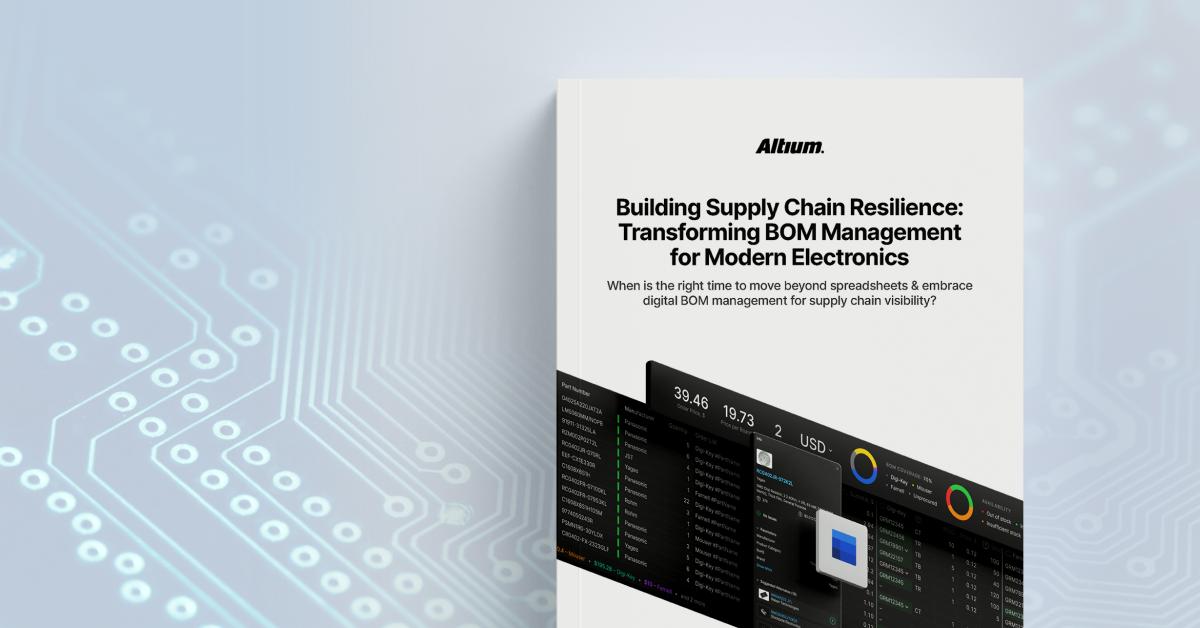
Transforming BOM Management
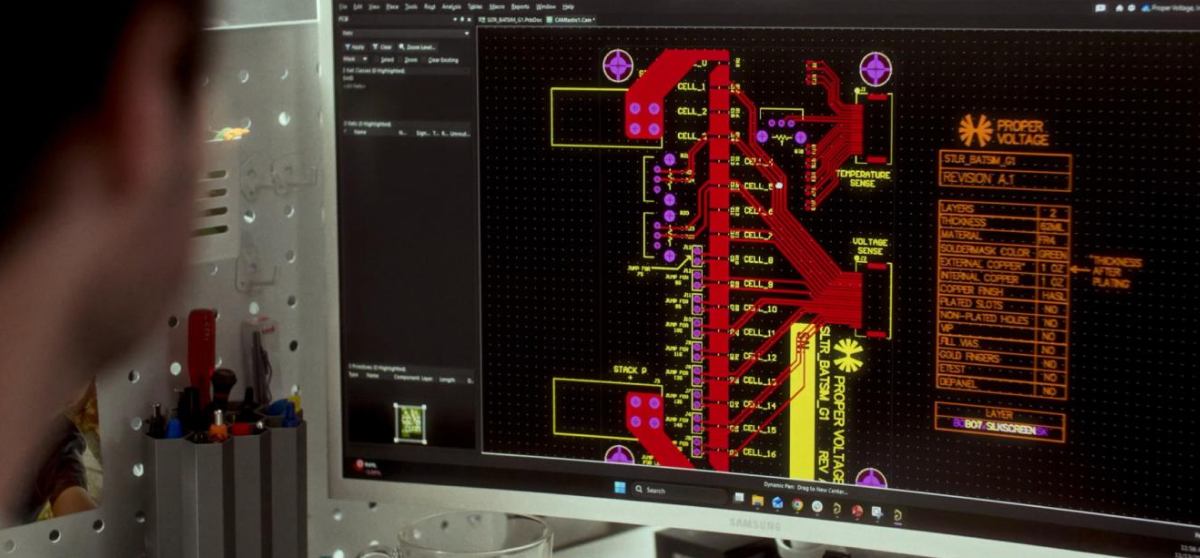
Chemistry-Agnostic Power Systems: Proper Voltage
Connect with the community and grow your expertise
Ready to get started with Altium Develop?
Free 30-day access. No credit card required.
Put Engineering and Procurement on the Same BOM
The BOM Portal gives both teams one BOM in the cloud, with up-to-date pricing, stock, and lifecycle. Procurement raises substitutions where the line item lives, not over email.
Everyone Picks From the Same Approved, Lifecycle-Managed Components
Managed components carry a lifecycle state, so designers pull from one approved set. New parts follow a request step before they reach a board.
See BOM and Library Risk Across Every Project the Team Runs
The Library Health Dashboard surfaces obsolete and at-risk parts across the workspace. Standardized templates keep new components consistent as the team grows.
Sync Components With Cloud PLM, Publish BOMs to It
Bidirectional component sync keeps parts aligned with Duro or Arena PLM. Release and publish workflows push BOMs and project records to the PLM in one step.
Up-to-Date Stock, Pricing, and Lifecycle, Built Into the Design Tool
Manufacturer Part Search and ActiveBOM bring distributor stock, pricing, and lifecycle into Altium Designer. Optional Z2Data and SiliconExpert add deeper risk scoring.


Speed at Scale. Structured Repeatability. Secure Flexibility.
Structured collaboration for multidisciplinary electronics teams and development that keeps people and data aligned without sacrificing speed.

Free 30-day access
What Teams Say About Staying
Ahead of the Supply Chain
"We are in the middle of designing several revolutionary products. Knowing what components are readily available in the market, and also knowing what's at risk in the market, is a very big deal."
"The biggest challenges with procurement is supply chain and availability. Inventory, especially as of late, is just fluctuating pretty heavily. Getting a heads-up before we send these files off to the fab and assembly shop, we can actually get insight into what is available right now."
"We now have the feature to check which component is in which product, and we can even see with ActiveBOM which components are end-of-life or obsolete... it's possible for the purchasers that they check now inside Altium 365 which components are used where."
Resources
Transforming BOM Management
Chemistry-Agnostic Power Systems: Proper Voltage
Connect with the community and grow your expertise
Ready to get started with Altium Agile Teams?
Free 30-day access. No credit card required.
Anchor your Product Lifecycle on One Governed BOM
One governed BOM anchors your entire product lifecycle, keeping engineering, procurement, manufacturing, and your ERP/PLM systems aligned on the same definition. With live supply-chain intelligence at the moment of design, you avoid costly redesigns and can build on time, on cost, and at scale.
Maintain a Stable, Lifecycle Managed Component Set
A governed component library keeps approved parts in one place, each tagged with lifecycle status, compliance, and supply risk. Engineers see pricing, alternates, and forecasts at the moment they choose a part, so obsolete picks and redesigns are caught before the design is locked.
See Supply-Chain Data Where Design Decisions Are Made
Live pricing, stock, alternates, lifecycle forecasts, and risk signals appear inside the design environment. Automated checks for sourcing, cost, and compliance run on every commit, so problems surface in design instead of in a late review.
Turn Your BOM into Negotiating Leverage
Connect your BOM to current market data, automated RFQs, and bid evaluations. Procurement gets full spend visibility, and engineering commits to commercially viable parts from day one.
Apply the Same Sourcing Rules to Every Program
Define sourcing, compliance, and supplier policies once and apply them across all divisions. Automated checks keep cost and compliance targets on track without adding manual review steps for design teams.
Enterprise-Wide Procurement
Standardize quoting across the organization and bring spend data together in one view. Combined demand across programs gives you clearer visibility into total spend and stronger negotiating power.


Digital Thread at Scale
Connected context from intent through release with an intelligent, governed, extensible platform.
Contact Us
See How Altium Agile Enterprise Addresses
Electronics Hardware Development in Your Industry



What Teams Say About Staying
Ahead of the Supply Chain
"We are in the middle of designing several revolutionary products. Knowing what components are readily available in the market, and also knowing what's at risk in the market, is a very big deal."
"The biggest challenges with procurement is supply chain and availability. Inventory, especially as of late, is just fluctuating pretty heavily. Getting a heads-up before we send these files off to the fab and assembly shop, we can actually get insight into what is available right now."
"We now have the feature to check which component is in which product, and we can even see with ActiveBOM which components are end-of-life or obsolete... it's possible for the purchasers that they check now inside Altium 365 which components are used where."
Resources

Best Practices for Cost and Risk Optimization
The Last Mile of Digital Transformation Made Easy
Digitally Transforming Electronics Design
Ready to Talk Through Altium Agile Enterprise?
Tell us how your organization works, and we will map the platform to it.
Find the right solution for where
your team is today
Each solution is a different stage, not just a different feature set

For the designer who is also the IT department.
Cloud-connected version control and a centralized library without a server to manage.
- Git-based version control with visual diffs
- Centralized cloud component library
- Design reuse blocks
- Live DRC and high-speed routing

For teams where the next wrong-version build is one commit away.
Conflict prevention, lifecycle states, and design review inside the platform.
- Change conflict prevention before commit
- Configurable lifecycle states and release
- In-platform design review
- Where-used tracking across all projects

For regulated organizations where data must connect to enterprise systems.
Granular permissions, enterprise PLM, and flexible deployment.
- Role-based access and IP separation
- Windchill, Teamcenter, Aras, Oracle PLM sync
- Customizable data structures
- Cloud, on-premise, or single-tenant